Apple Vision Pro Headset Blends Reality, Work, and Entertainment
Published: 2026-01-25 11:51 AM
Author: Harris Truster
In recent months, few consumer gadgets have generated as much discussion as Apple’s Vision Pro. Positioned as a new category of personal computing rather than a simple headset, the device marks a notable shift in how digital content can be experienced and controlled. As interest in spatial computing grows, Vision Pro has become a focal point for conversations around productivity, entertainment, and the future of everyday technology use.
At its core, Apple Vision Pro blends digital interfaces with the physical world in a way that feels less like wearing a gadget and more like extending your environment. Unlike traditional virtual reality headsets that isolate users, Vision Pro emphasizes “mixed reality,” allowing digital elements to coexist seamlessly with real-world surroundings. This design philosophy is central to why the device has attracted attention beyond gaming circles and into mainstream tech coverage.
A New Approach to Design and Comfort
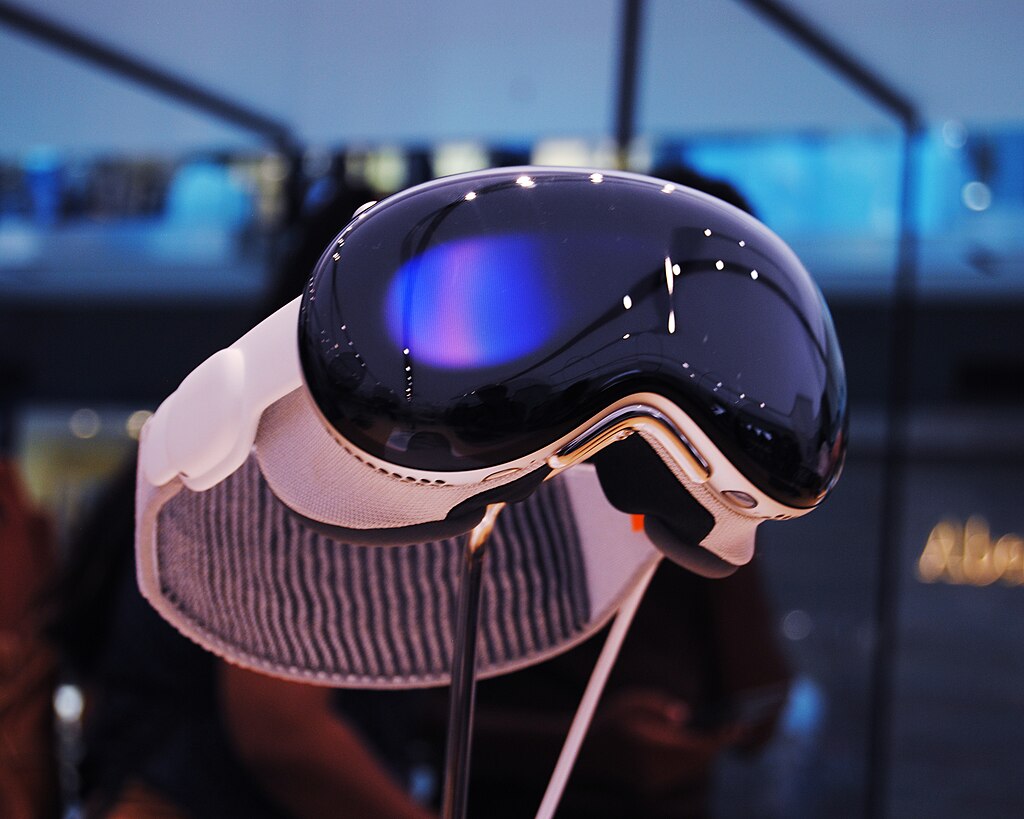
One of the most talked-about aspects of the Vision Pro is its design. Apple has clearly prioritized a balance between premium materials and long-session comfort. The front glass panel, aluminum frame, and modular headbands reflect the company’s familiar hardware language, while practical considerations—such as weight distribution and airflow—address long-standing issues associated with head-mounted displays.
Instead of relying on bulky controllers, Vision Pro uses a combination of eye tracking, hand gestures, and voice input. This approach significantly lowers the learning curve. Users can select items simply by looking at them, then confirm actions with subtle finger movements. For many, this feels more intuitive than traditional input methods and helps make the device approachable even for those who have never used AR or VR hardware before.
Display Technology That Sets a Benchmark
Display quality is where Apple Vision Pro truly distinguishes itself. The headset features dual micro-OLED displays with an exceptionally high pixel density, resulting in sharp text and vivid visuals that are difficult to match. This clarity is particularly important for tasks such as reading documents, browsing the web, or working with detailed images—areas where earlier headsets often struggled.
The immersive visual experience is enhanced by advanced spatial audio. Built-in speakers positioned near the ears create a sense of depth and direction without fully blocking external sounds. This ensures users remain aware of their surroundings while still enjoying rich, cinematic audio. For everyday use, this balance between immersion and awareness is a significant advantage.
Performance Powered by Apple Silicon
Under the hood, Vision Pro runs on a combination of Apple’s M2 chip and a dedicated R1 chip designed specifically to process sensor data in real time. This dual-chip setup ensures smooth performance while minimizing latency—a crucial factor in preventing motion discomfort and maintaining a natural user experience.
The operating system, visionOS, is designed from the ground up for spatial computing. Familiar Apple apps such as Safari, Photos, FaceTime, and Apple TV have been reimagined as floating windows that can be resized and positioned anywhere in the user’s space. Multitasking feels surprisingly natural, with multiple apps running side by side without the constraints of a traditional screen.
Practical Use Cases Beyond Entertainment
While immersive movies and 3D content often dominate headlines, Vision Pro’s practical applications are what make it particularly compelling. For productivity, the device can function as a virtual workstation, offering expansive screen real estate without the need for multiple physical monitors. Paired with a Mac, users can extend their desktop into a large, high-resolution virtual display.
Communication also takes on a new dimension. FaceTime calls are transformed into spatial experiences, with participants appearing as life-sized tiles within the user’s environment. Apple’s “Persona” feature creates a realistic digital representation of the user, enabling more expressive interactions than standard video calls.
In education and creative fields, Vision Pro opens doors to interactive learning and design. From visualizing complex data in three dimensions to previewing creative projects at scale, the device demonstrates how spatial computing can enhance understanding and collaboration.
Privacy and User Trust
Privacy has become a critical consideration in modern tech, and Vision Pro addresses this with several thoughtful measures. Eye tracking data, for example, is processed on-device and not shared with apps or external servers. This approach aligns with Apple’s broader privacy stance and helps build confidence in a device that relies heavily on biometric input.
Additionally, the outward-facing EyeSight display shows a representation of the user’s eyes when they are aware of their surroundings, subtly signaling engagement to people nearby. This feature helps reduce the social barrier often associated with wearing headsets in shared spaces.
Market Impact and Industry Implications
Apple Vision Pro is not positioned as a mass-market gadget—at least not yet—but its influence on the industry is already evident. By setting a high bar for display quality, interface design, and integration with existing ecosystems, Apple is shaping expectations for future AR and mixed reality devices.
Developers are also paying close attention. The introduction of visionOS and dedicated development tools has sparked interest in creating apps that go beyond novelty and deliver real utility. As the app ecosystem expands, the device’s value proposition is likely to strengthen further.
Looking Ahead
The Vision Pro represents a significant step toward a future where digital content is no longer confined to flat screens. While it is still early days for spatial computing, Apple’s entry into the space provides a clear vision of what’s possible when hardware, software, and user experience are tightly integrated.
For consumers watching the evolution of personal technology, Vision Pro serves as both a glimpse into what’s next and a practical demonstration of how emerging technologies can be applied thoughtfully. As adoption grows and subsequent iterations refine the concept, this device may well be remembered as a turning point in how we interact with the digital world.